
This wider market boom matters. As the global trading-card games (TCG) market expands, so does supply, demand, and cultural interest making Pokémon cards attractive again to collectors and resellers alike.
Global Trends Making Pokemon cards more popular
| Metric / Forecast | Figure (2024/2025) | Note |
|---|---|---|
| Global TCG market size (2025) | USD 7.8 billion | Includes physical collectible-card games globally |
| Projected market size by 2030 | USD 11.8 billion | Reflects growing demand for physical cards and new releases |
| Recent growth rate for Pokémon resale cards (2004 to present) | ~3,800% increase | Collectible-card market showing strong long-term value growth |
What’s Changed in This Wave of Interest
The renewed enthusiasm for Pokémon cards is not just a repeat of the 1990s craze.
Several cultural and economic factors are shaping this new wave, bringing together nostalgia, investment appeal, and community connection.
Here are some of the main reasons the trend looks different today:
What This Means for Australian Collectors and Small Shops
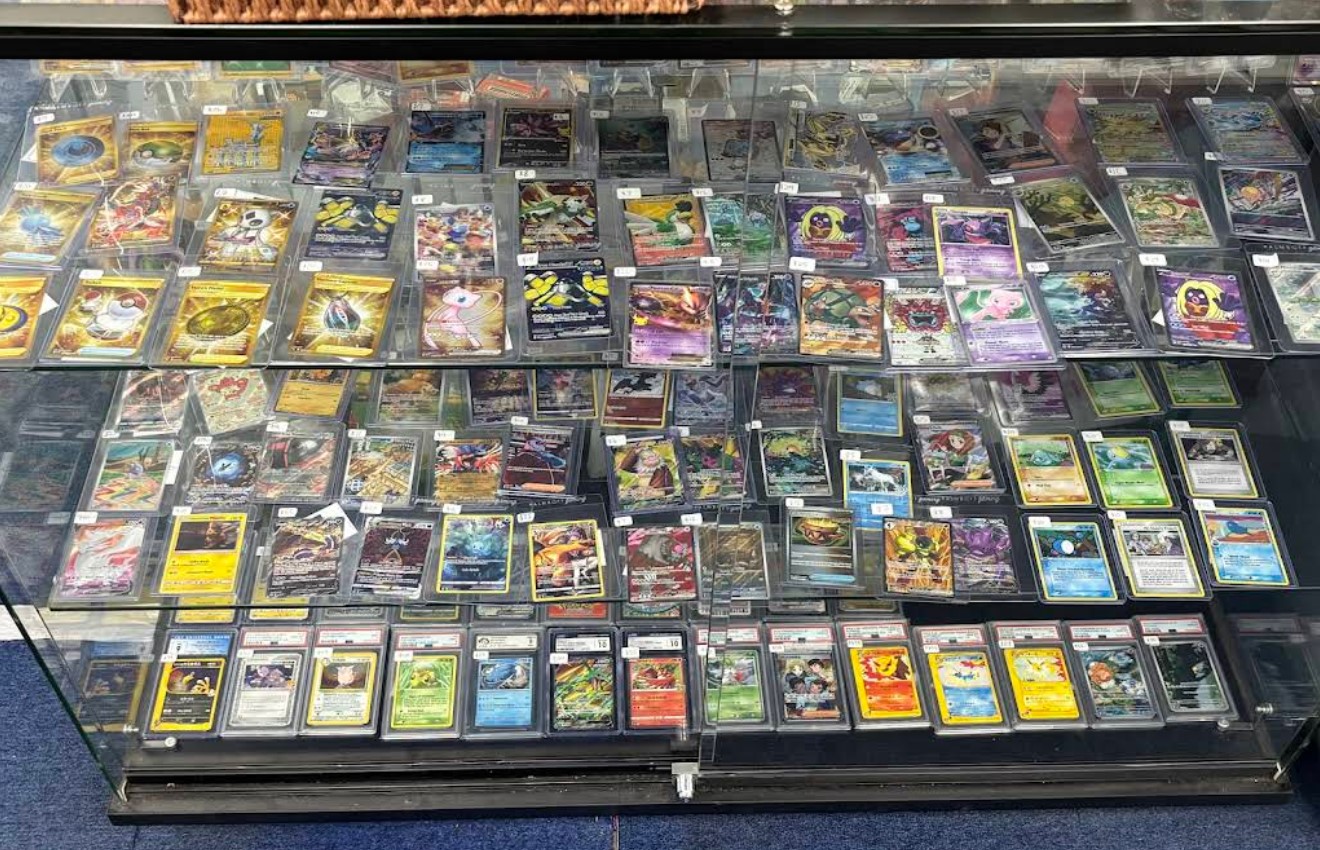
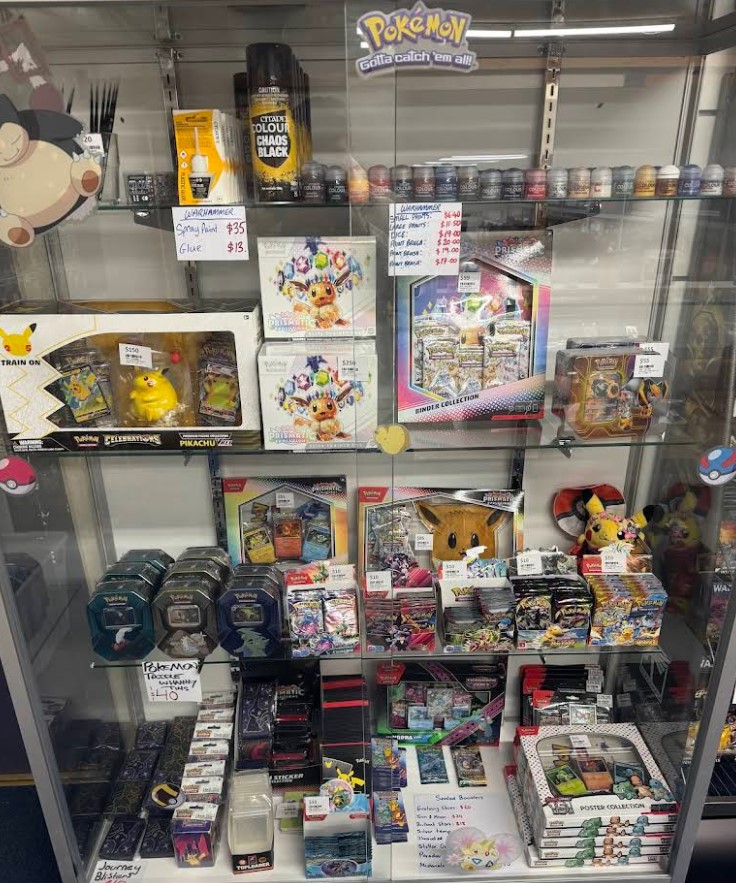
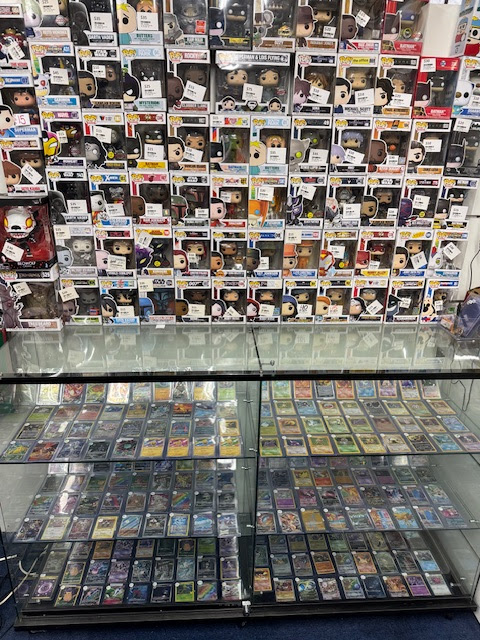
The resurgence of Pokémon cards has brought new life into Australia’s hobby and collectibles market. Local retailers, in particular, are seeing the impact firsthand as collectors turn back to physical stores for both authenticity and connection. Unlike major online marketplaces, small card shops often serve as community spaces as well as trusted suppliers.
A Growing Hobby That Feels Personal Again
As Pokémon card collecting finds its new audience, the focus has shifted away from hype and toward enjoyment. Collectors are buying cards not just for potential value, but for the thrill of opening packs, discovering unique artwork, and sharing their finds with others.
The return of physical collecting in a digital world shows that something tangible, something you can hold, trade, and talk about, still matters. For many Australians, starting or restarting a Pokémon collection is a simple way to reconnect with that feeling.
Why The Pokemon Resurgence Matters
For many Australians, the surge in trading-card collecting is more than a throwback.
It reflects changing attitudes, from childhood hobby to collectible culture, from toy boxes to community gatherings, from passive nostalgia to active participation.
For local shops and legitimate sellers, that shift is a chance to build relationships, offer expert guidance, and give people a space to rediscover a hobby that is creative, social, and rewarding.
For local shops and legitimate sellers, that shift is a chance to rebuild trust, offer expert curation, guarantee authenticity, and meet demand for well-kept, genuine cards — while acknowledging the responsibility that comes with such high-value collectibles.