No products in the cart.
What is the One Piece Trading Card Game?
The One Piece Trading Card Game is a collectible card game produced by Bandai, based on the long-running One Piece manga and anime series.
Players build decks around a “Leader” card, usually a key character from the series. Each deck uses cards from specific colours, which affect play style and strategy. Players compete by reducing their opponent’s life cards to zero through character battles and card effects.
Cards are sold in booster packs, boxes, and special sets. Some cards are designed for competitive play, while others are collected for artwork, rarity, or limited print runs. As with other trading card games, cards can be played, traded, graded, or kept sealed.
By the end of 2025, the One Piece Trading Card Game had settled into a clear position within the trading card market.
Demand was steady across the year. Product continued to move outside release windows. Interest came from both players and collectors, often for different reasons.
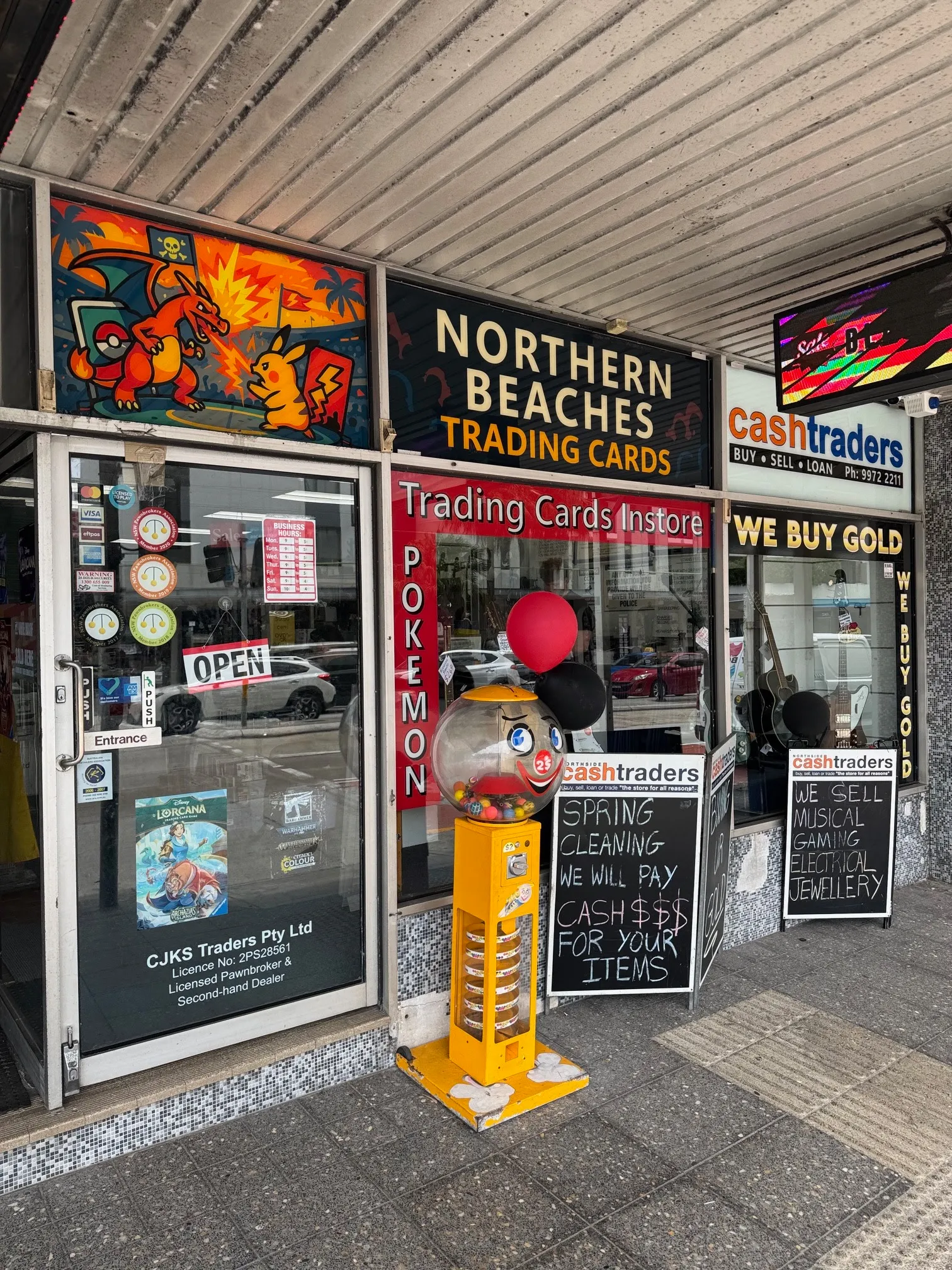
Clint Chidley, manager at Northern Beaches Pokémon, said the shift was clear on the ground. “The One Piece Trading Card Game (OP TCG) has firmly established itself as one of the fastest-growing trading card games in the world.”
That assessment reflects what played out across 2025. Buying behaviour became more consistent. Competitive players focused on balance and deck efficiency. Collectors showed growing interest in artwork, rarity, and sealed product. Activity was no longer concentrated around short bursts of release-day demand.
Clint Chidley, manager at Northern Beaches Pokémon, said the shift was clear on the ground. “The One Piece Trading Card Game (OP TCG) has firmly established itself as one of the fastest-growing trading card games in the world.”
That assessment reflects what played out across 2025. Buying behaviour became more consistent. Competitive players focused on balance and deck efficiency. Collectors showed growing interest in artwork, rarity, and sealed product. Activity was no longer concentrated around short bursts of release-day demand.
Supply, Scheduling, and Engagement
Earlier years were shaped by uneven supply and limited availability. In 2025, those pressures eased. Product flow improved and release schedules became more predictable. This affected how players approached the game.
More consistent access reduced rush buying and lowered barriers to competitive play. Balanced formats also helped retain players. Fewer dominant decks meant less pressure to rebuild with every set.
Across the year, several trends remained consistent:
Regular set releases
Improved product availability
Greater balance across competitive formats
Strong demand for alternate art cards
Continued interest in sealed products
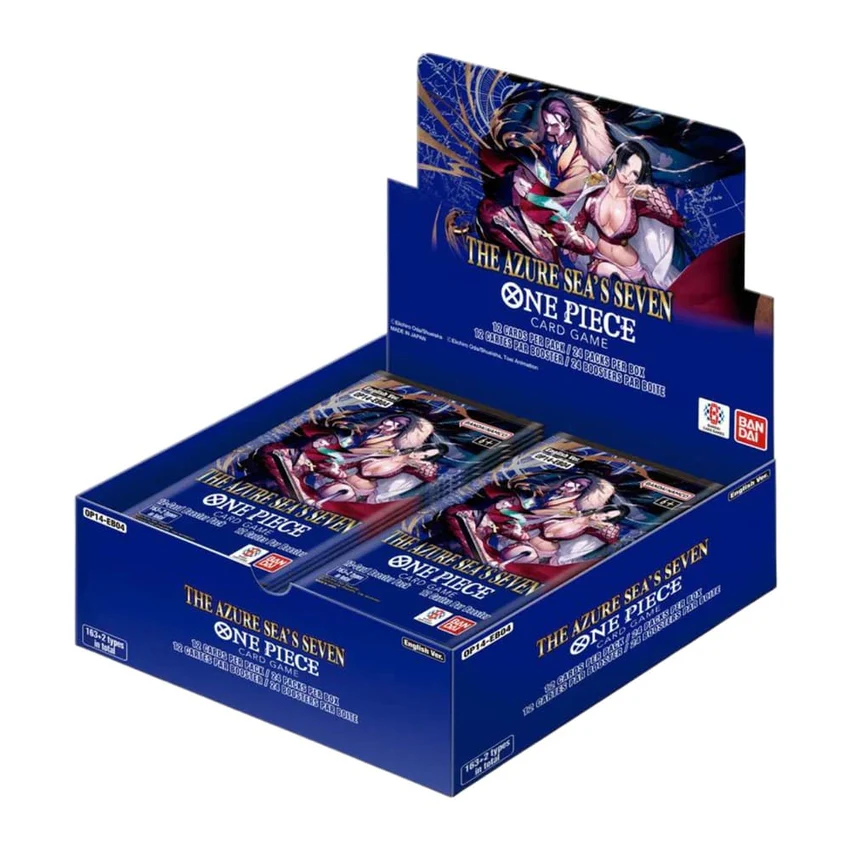
Booster boxes and playable singles remained the most active categories. Interest did not fall away between releases.
Set Design and Market Absorption
Bandai maintained a steady release pace throughout 2025. Sets arrived often enough to sustain engagement without overwhelming the market.
Design choices focused on established arcs and well-known characters. Leader diversity expanded and card balance improved across colours. Alternate art rarity continued to evolve without sharp increases in supply.
Each release generated early demand, then settled into collections rather than losing relevance. That pattern supported both players and long-term collectors.
Alternate Art as a Collecting Anchor
Alternate art cards became the main focus for collectors during the year.
Demand centred on:
Many of these cards held value after rotating out of competitive formats. Some moved through the secondary market. Others were held and graded. Their appeal was tied to presentation and scarcity rather than gameplay strength.
This supported a collecting base that extended beyond active competitive players.
This supported a collecting base that extended beyond active competitive players.
Competitive Play in 2025
Competitive formats showed improved balance across the year.
No single strategy dominated for extended periods. Colour diversity increased. Match outcomes relied more on sequencing and decision-making. Less common decks remained viable.
This type of environment supports longer engagement and reduces format fatigue.
Collecting Behaviour During the Year
Collecting activity expanded alongside competitive play.
Focus areas included:
Grading activity increased, particularly for high-end pulls. PSA and similar services were used more frequently as collectors treated premium cards as longer-term holdings.
Market Conditions Entering 2026
By the end of 2025, the One Piece TCG market showed signs of stability.
Product availability was more consistent. Panic buying declined. Collector confidence improved. Competitive participation continued outside release cycles.
Interest patterns were not dependent on constant new product, which reduced volatility.
Likely Continuity in 2026
There is little indication of a structural change heading into 2026.
Based on recent patterns, expectations include:
These point to consolidation rather than rapid expansion.
Characters and Story Moments
Demand continues to centre on recognisable characters and arcs.
Cards linked to:
remain the strongest performers, particularly when tied to well-known moments from the series.
Alternate Art Remains Central
Alternate art and manga-style rares are expected to remain the most sought-after category.
Collectors continue to prioritise:
Lower-population alternate arts
Premium leader artwork
Japanese-exclusive designs
Manga-style rare cards
These cards are less affected by rotation and balance changes.
Competitive Play in 2026
Competitive formats are expected to remain skill-focused.
Likely characteristics include:
This supports both tournament and casual play.
A Dual Audience Model
One Piece TCG continues to attract two overlapping groups.
Players focus on deck performance and format shifts. Collectors focus on artwork, rarity, and condition.
This dual demand has supported steady growth rather than sharp cycles.
Japanese Releases
Japanese One Piece cards remain in demand due to:
Earlier release schedules
Exclusive alternate art designs
Consistent print quality
Japanese booster boxes and promotional cards are expected to remain popular through 2026.
Long-Term Considerations
No trading card market is without risk. Even so, One Piece continues to show several supportive factors:
Early sets, alternate arts, and limited promotional cards are generally viewed as the most resilient categories.
Community and Access
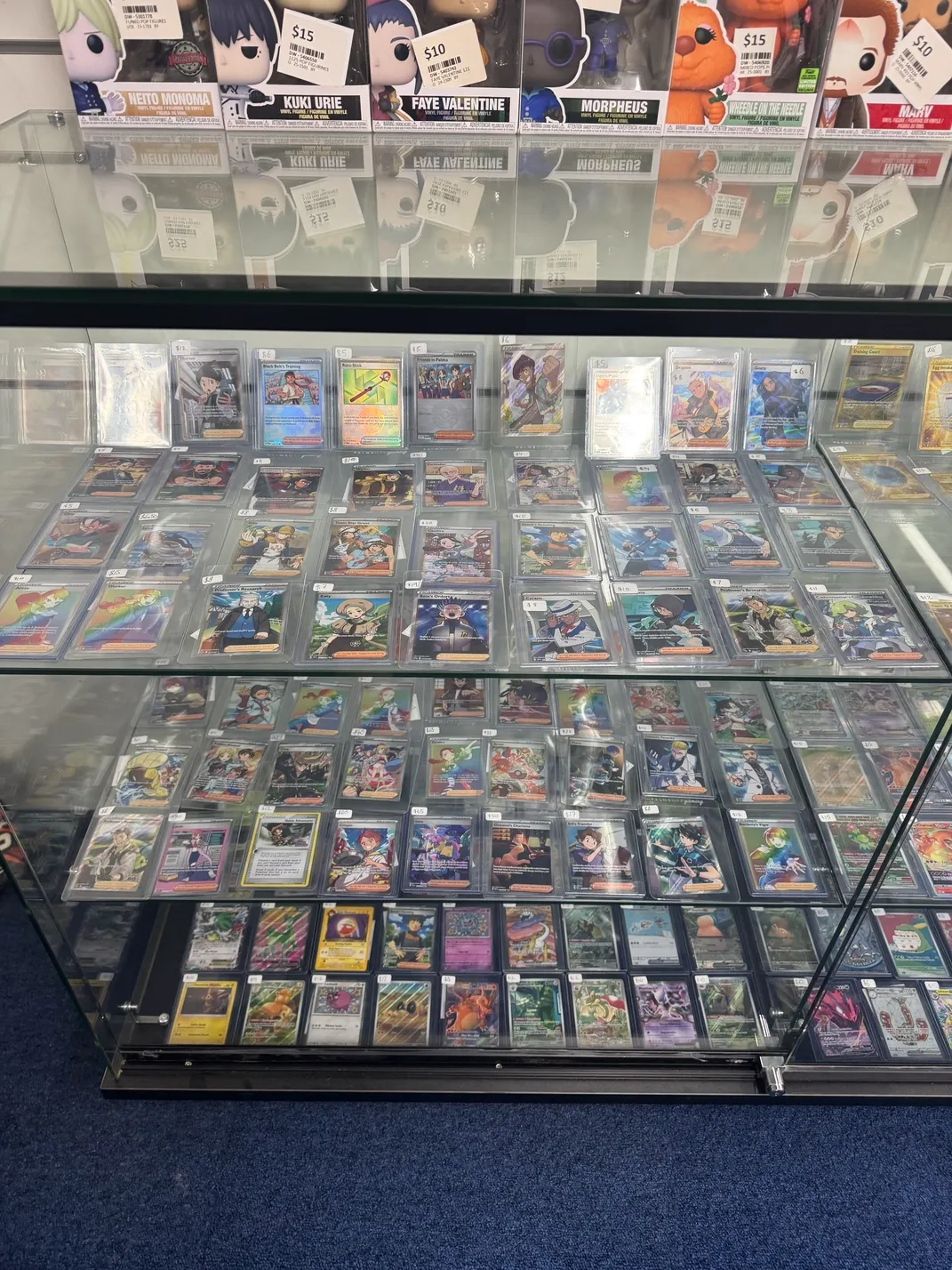
Local card stores continue to play a practical role in sustaining the game. They support organised play, casual collecting, and new players entering the hobby.
One Piece TCG products are available online here:
https://northernbeachespokemon.com.au/shop/
Frequently Asked Questions
The One Piece Trading Card Game is a collectible card game produced by Bandai. It is based on the One Piece manga and anime series. Players build decks around a central Leader card and compete by reducing an opponent’s life cards to zero. Cards are sold in booster packs, boxes, and special sets, and are used for play, collecting, trading, grading, or keeping sealed.
Several trends became clear in 2025. Set releases were more regular, product availability improved compared to earlier years, and competitive play became more balanced. Alternate art cards drew strong collector interest, and demand for sealed products increased. Interest remained steady even outside major release periods.
Alternate art cards became a central focus for collectors. Manga-style artwork, full-art leader cards, character-focused designs, and lower-print alternate art rares were consistently sought after. Many of these cards held value even after they were no longer relevant in competitive play.
Based on recent patterns and Bandai’s approach, 2026 is expected to follow a similar structure. Regular main set releases are likely to continue, along with organised play support. Game balance is expected to be refined further, and collectability is likely to remain a key focus.
Japanese One Piece cards are popular because they are released earlier, often feature exclusive alternate art designs, and are known for strong print quality. Japanese booster boxes and promotional cards are expected to remain in demand among Australian collectors through 2026.
