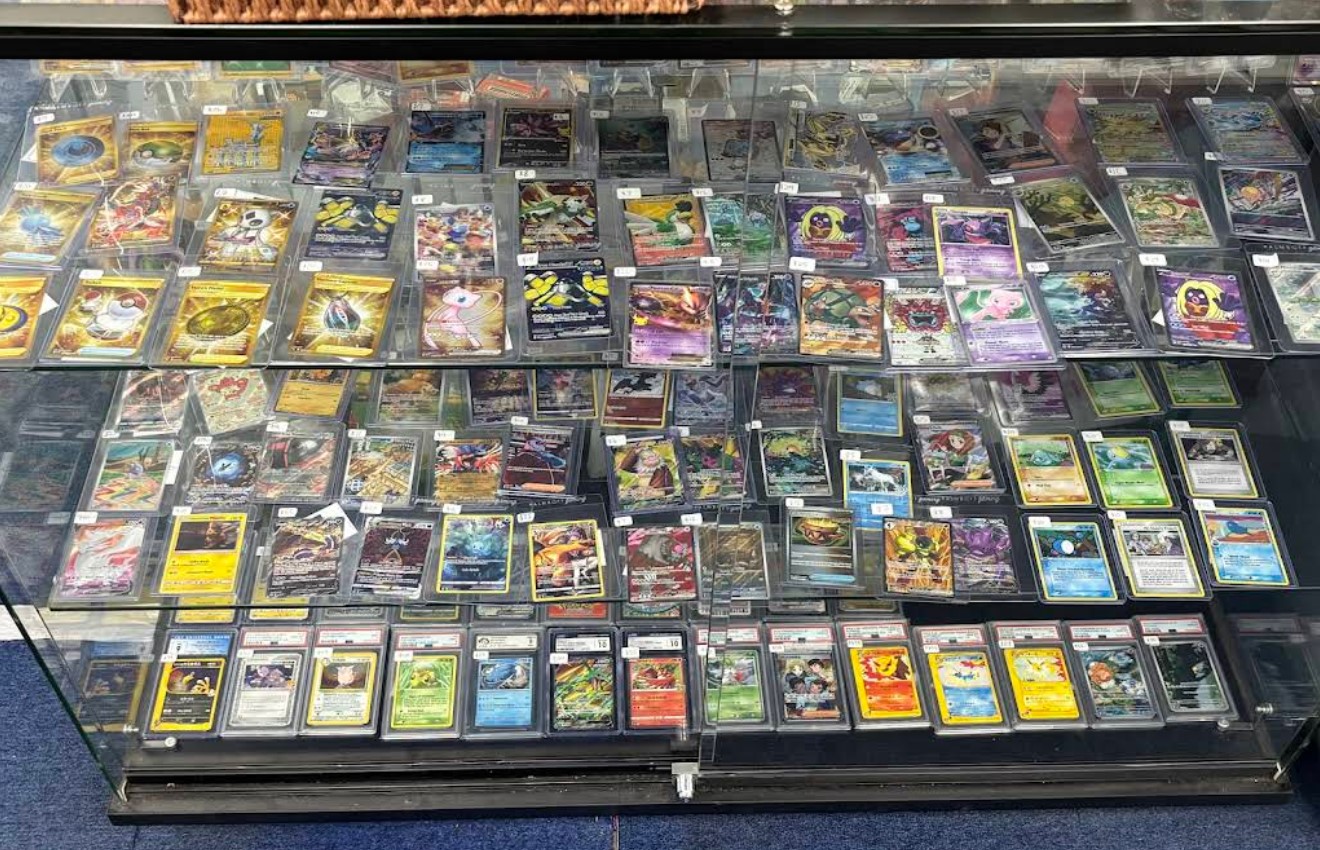
The Rise of Pokémon Card Collecting in Australia 

Close to two decades after the original craze, Pokémon cards are back.
What once felt like a childhood hobby is turning into a serious collectible-card resurgence, and this time, it’s happening across Australia. Independent shops and second-hand sellers report growing demand, especially for vintage and rare cards.

This wider market boom matters. As the global trading-card games (TCG) market expands, so does supply, demand, and cultural interest making Pokémon cards attractive again to collectors and resellers alike.

Global Trends Making Pokemon cards more popular

Metric / Forecast Figure (2024/2025) Note
Global TCG market size (2025) USD 7.8 billion Includes physical collectible-card games globally
Projected market size by 2030 USD 11.8 billion Reflects growing demand for physical cards and new releases
Recent growth rate for Pokémon resale cards (2004 to present) ~3,800% increase Collectible-card market showing strong long-term value growth

What’s Changed in This Wave of Interest

The renewed enthusiasm for Pokémon cards is not just a repeat of the 1990s craze.
Several cultural and economic factors are shaping this new wave, bringing together nostalgia, investment appeal, and community connection.
Here are some of the main reasons the trend looks different today:

  • Nostalgia mixed with disposable income.
    People who collected as kids are now adults with money to spend. That drives demand especially for rare or early-era cards.
  • Collectible value over play value.
    For many buyers, cards are no longer about playing the game. They’re about collecting, owning a piece of pop-culture history, or investing.
  • Secondary-market strength.
    Resale data shows strong value appreciation over time, attracting buyers seeking long-term value, not just short-term enjoyment.
  • Community and social momentum.
    Local card shops, trading nights, and hobby communities are back in style. That social aspect appeals to both old fans and new collectors.

What This Means for Australian Collectors and Small Shops

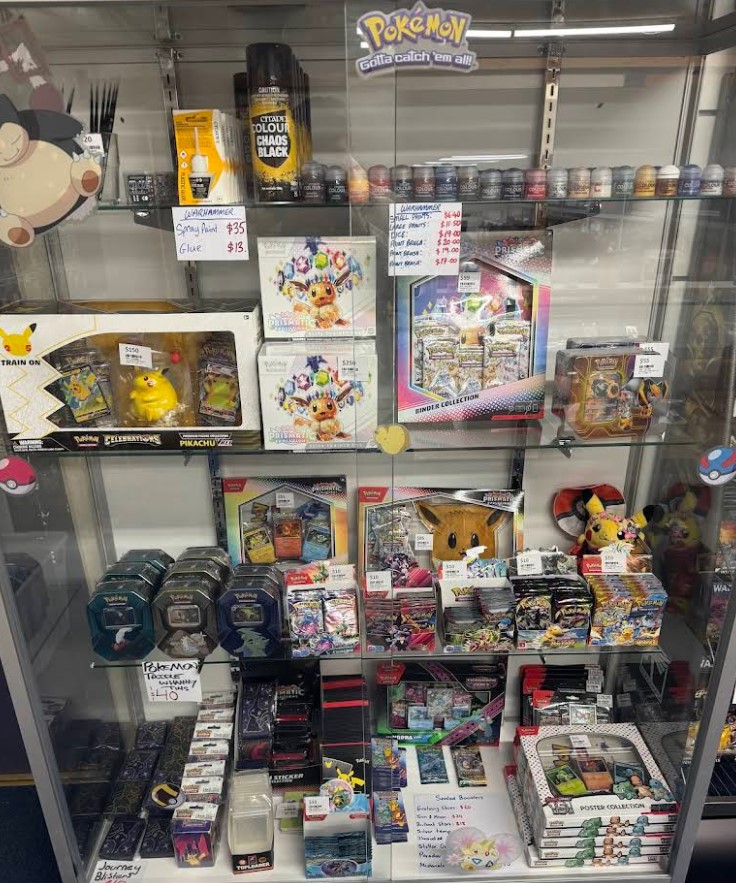
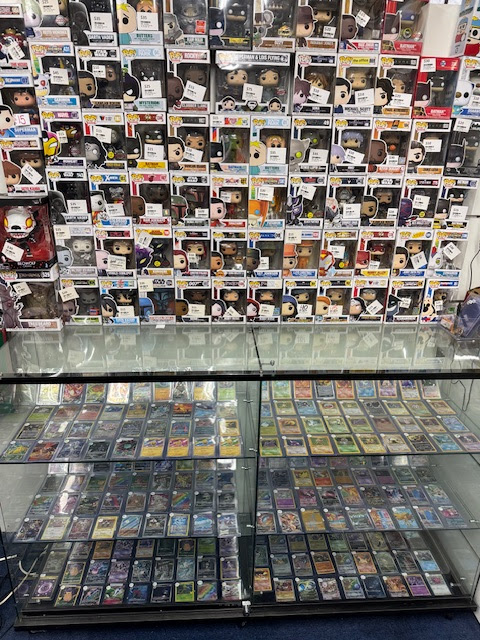
The resurgence of Pokémon cards has brought new life into Australia’s hobby and collectibles market. Local retailers, in particular, are seeing the impact firsthand as collectors turn back to physical stores for both authenticity and connection. Unlike major online marketplaces, small card shops often serve as community spaces as well as trusted suppliers.

  • Independent stores and local sellers are seeing more foot traffic and online orders from adult buyers, not just kids.
  • Cards once considered “common” are now trading at far higher values, especially vintage or limited-print cards.
  • Collectors often treat Pokémon cards as long-term assets rather than casual toys, increasing demand for authenticity and trustworthy sellers.
  • Secondary-market enthusiasm grows as resale prices rise, pushing more people to buy cards for collection or investment.
For small Australian shops, this shift presents both opportunity and pressure. Collectors expect transparency, fair pricing, and knowledge about rarity and condition. This is the kind of expertise that smaller retailers can uniquely provide. Building that trust will be central to keeping the local market healthy as collecting becomes more mainstream.

A Growing Hobby That Feels Personal Again

As Pokémon card collecting finds its new audience, the focus has shifted away from hype and toward enjoyment. Collectors are buying cards not just for potential value, but for the thrill of opening packs, discovering unique artwork, and sharing their finds with others.

The return of physical collecting in a digital world shows that something tangible, something you can hold, trade, and talk about, still matters. For many Australians, starting or restarting a Pokémon collection is a simple way to reconnect with that feeling.
Why The Pokemon Resurgence Matters

For many Australians, the surge in trading-card collecting is more than a throwback.
It reflects changing attitudes, from childhood hobby to collectible culture, from toy boxes to community gatherings, from passive nostalgia to active participation.

For local shops and legitimate sellers, that shift is a chance to build relationships, offer expert guidance, and give people a space to rediscover a hobby that is creative, social, and rewarding.

For local shops and legitimate sellers, that shift is a chance to rebuild trust, offer expert curation, guarantee authenticity, and meet demand for well-kept, genuine cards — while acknowledging the responsibility that comes with such high-value collectibles.

FAQ

Start small and focus on what you enjoy. Many collectors begin with a modern set for accessibility, then expand into older series once they learn about rarity and design differences. Visiting local card shops helps with guidance and authenticity.

Beyond rarity, many collectors value the artwork, the story behind a card, or the memory it represents. Some focus on specific Pokémon, sets, or illustration styles rather than chasing high-value items.

It can be affordable to start. Modern booster packs and theme decks are widely available, and collecting casually is part of the fun. Rarity and grading only matter if you want to specialise or build a premium collection.

Yes. Many stores host trade nights, tournaments, or collector meet-ups. These events are ideal for meeting other collectors, trading cards, and learning more about the hobby.
© Copyright Northern Beaches Trading Cards 2026. All Rights Reserved